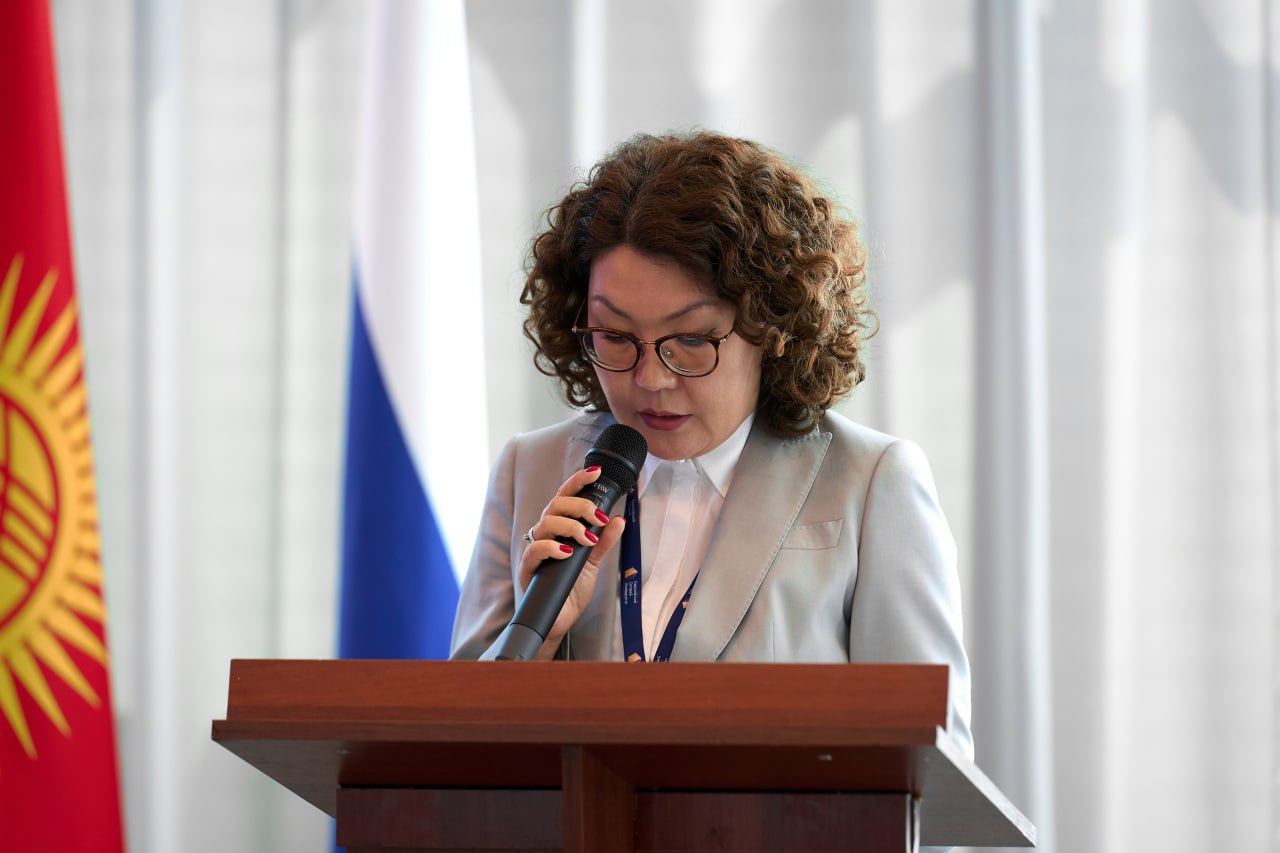
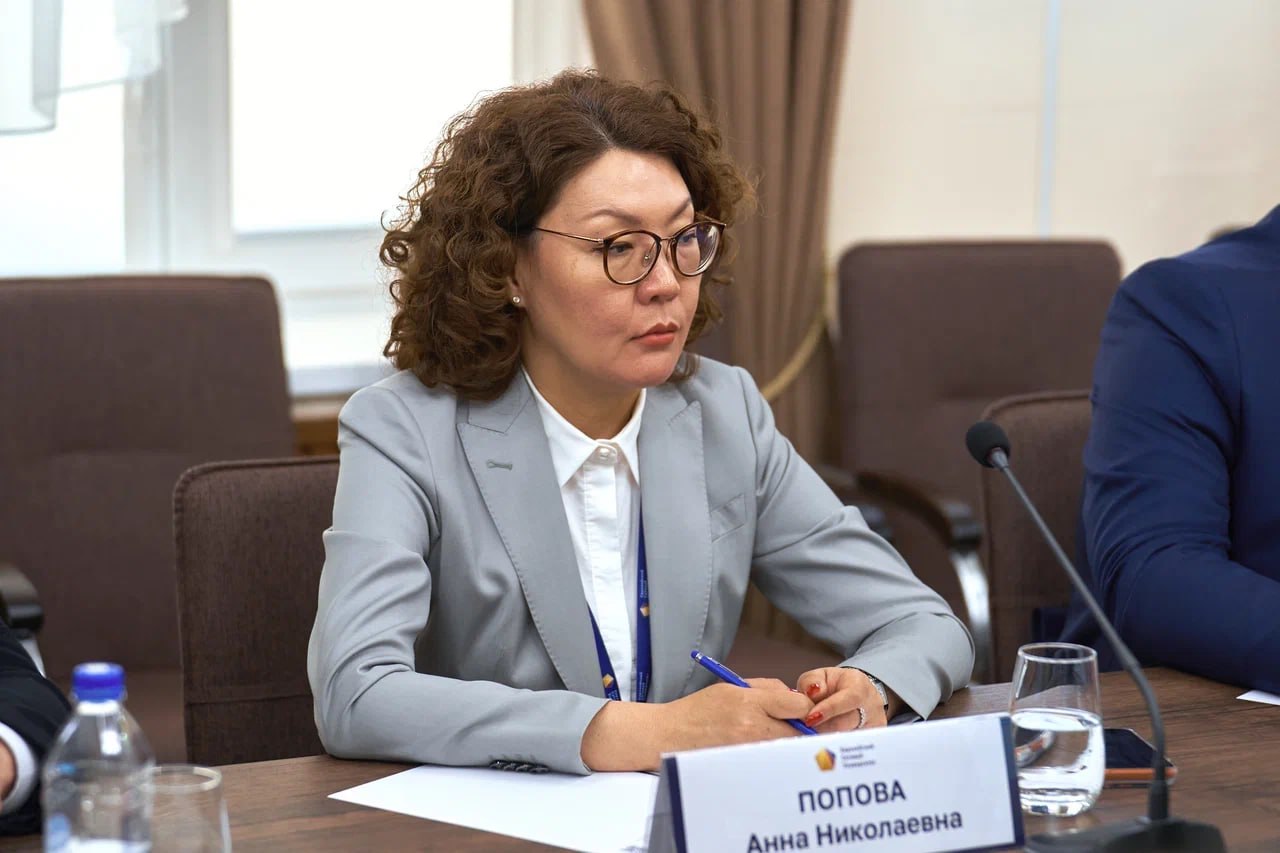
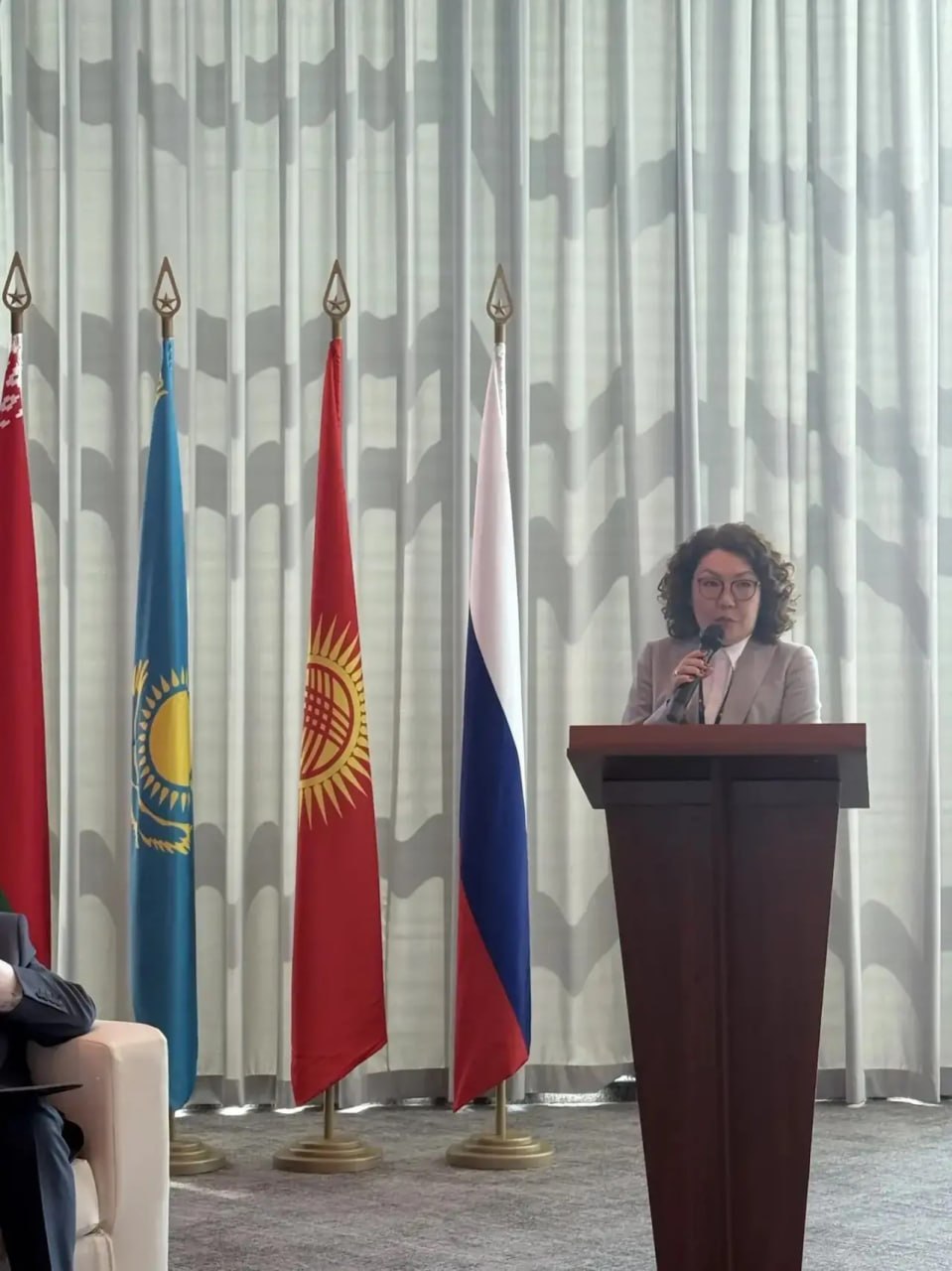
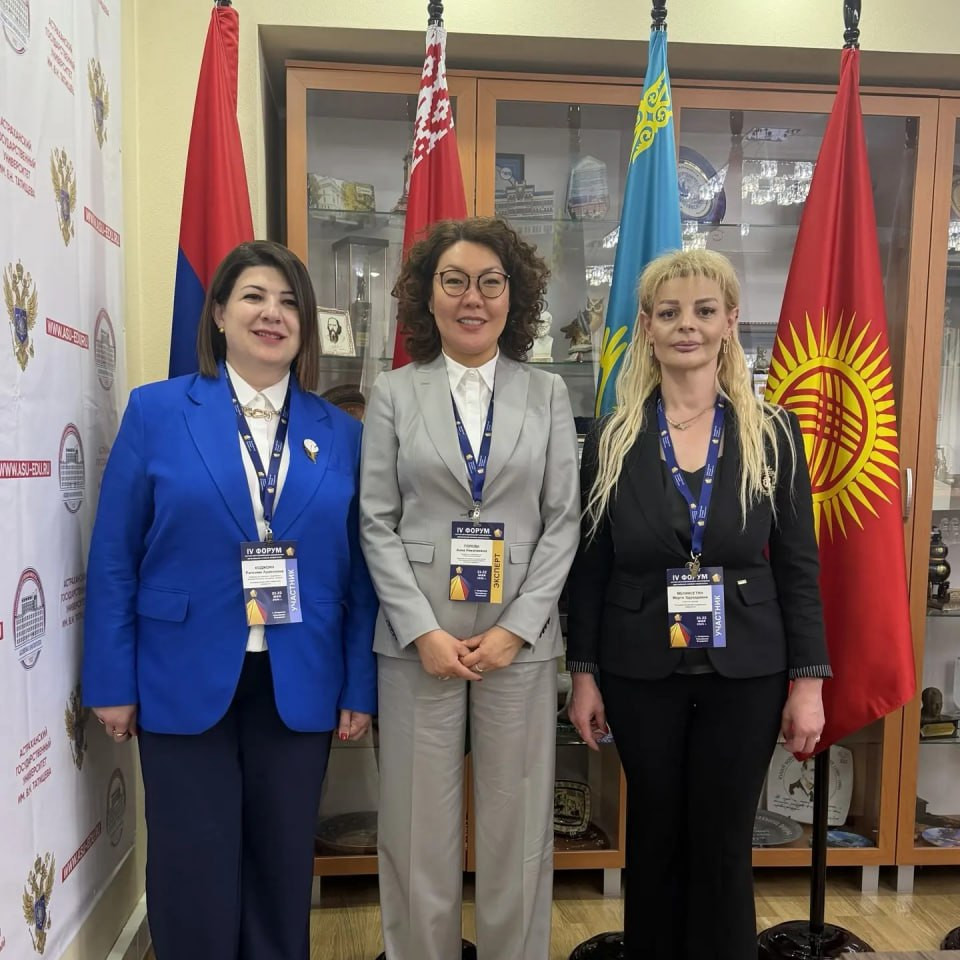
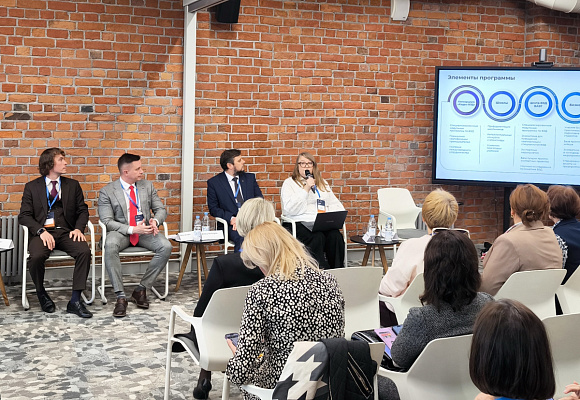
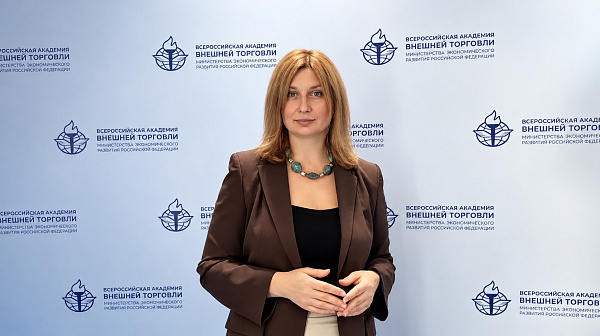
The Russian Foreign Trade Academy (RFTA) of the Ministry of Economic Development of the Russian Federation is stepping up personnel training for the Eurasian space. This was announced by Anna Popova, Vice‑Rector for International and Interregional Relations at the RFTA, at the plenary session of the 4th Forum of the Scientific and Educational Consortium “Eurasian Network University” held in Astrakhan on 21 May 2026.
The Academy views the development of cooperation within the EAEU space as one of its key priorities. In the context of the transformation of the global education system and intense competition for human capital, creating a common educational space for the Union has become a vital necessity.
“It is clear that today we need a new breed of professionals with multidisciplinary expertise and diverse professional experience. The job market increasingly demands specialists who can integrate multiple competencies. These professionals must have a comprehensive understanding of economics, the structure of foreign trade, international law, regional regulation, business culture, negotiation practices, logistics, financial instruments, digital trade channels, and product certification requirements,” emphasised Anna Popova.
The RFTA has already launched systematic efforts in this area. Law students now take a dedicated course in EAEU Law, and since 2025 the Academy’s flagship initiative has been the FEA Personnel programme. This programme establishes a national framework for training specialists, offering flexible modular content that universities can easily incorporate into their existing curricula. Each module includes video lectures and webinars, study texts, case studies, and final assessment materials.
To support faculty members, the programme provides comprehensive methodological guidelines, ready‑to‑use lesson templates and a structured student assessment system. This support enables universities to update their foreign economic activity (FEA) programmes more efficiently, even when they face resource constraints, staff shortages, or gaps in expertise related to emerging markets. To foster collaboration, a dedicated Consortium has been established. Universities from across the EAEU member states are invited to join and contribute to this joint effort.
Forum participants were also interested in the annual M.G. Rosenberg International Commercial Arbitration Competition. This year, 87 teams from Russia, Armenia, Belarus, Kazakhstan, Kyrgyzstan, as well as Vietnam, India, China, and Uzbekistan competed for the top prize.
“The EAEU legal framework already regulates the free movement of goods, persons, services, and capital. Looking ahead, it will continue to deepen and expand and as it does, the number of stakeholders who use and enforce this legal system will inevitably grow. Consequently, there will be a rising demand for legislative lawyers with the expertise to draft legal norms in line with the Union’s law‑making procedures,” noted the Vice‑Rector, highlighting the importance of joint educational programmes.
In conclusion, A.N. Popova invited universities to join the “FEA Personnel” Consortium, a collaborative platform designed to train specialists for Russia’s foreign economic cooperation with EAEU countries.