07 August 2026
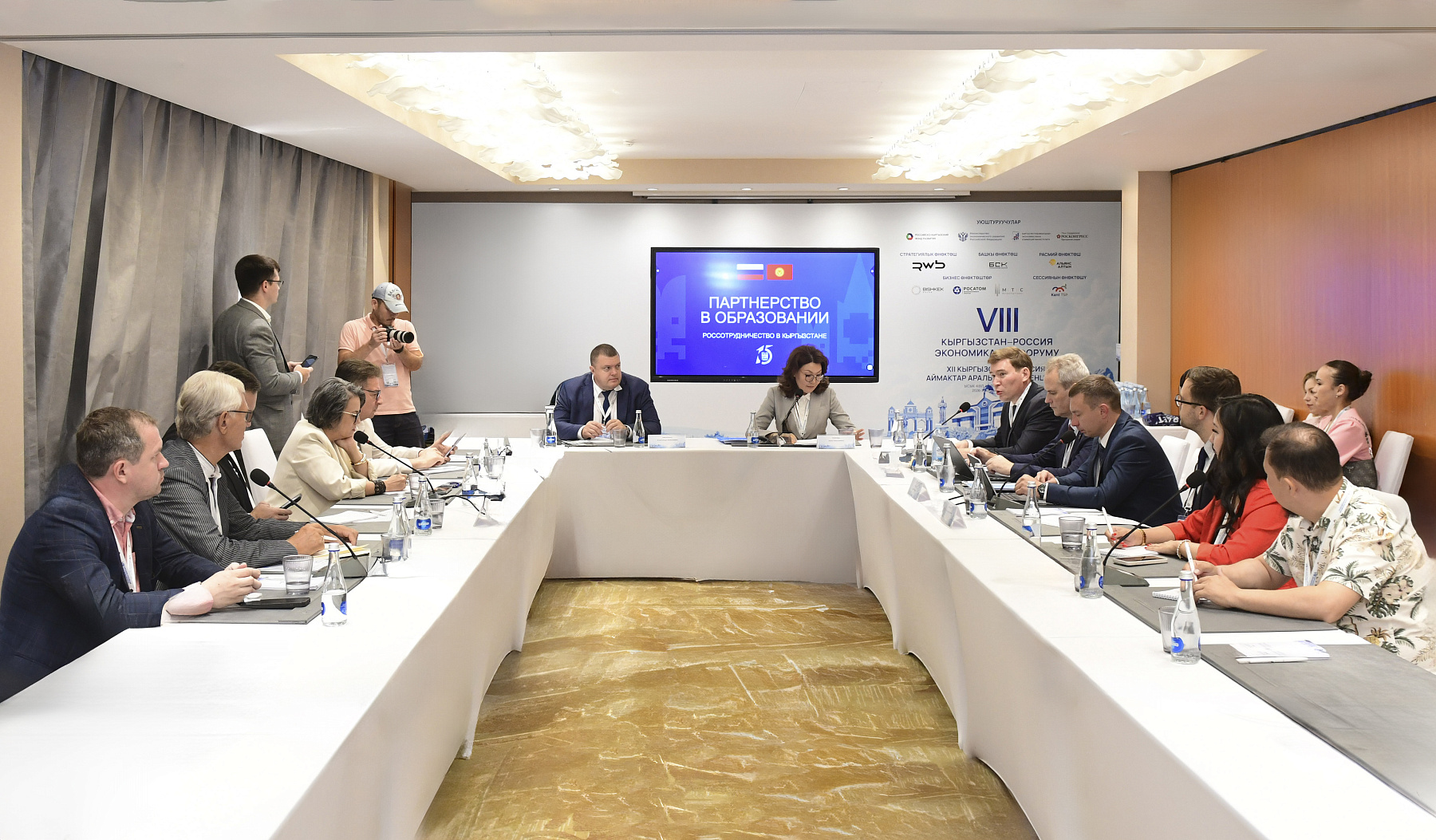
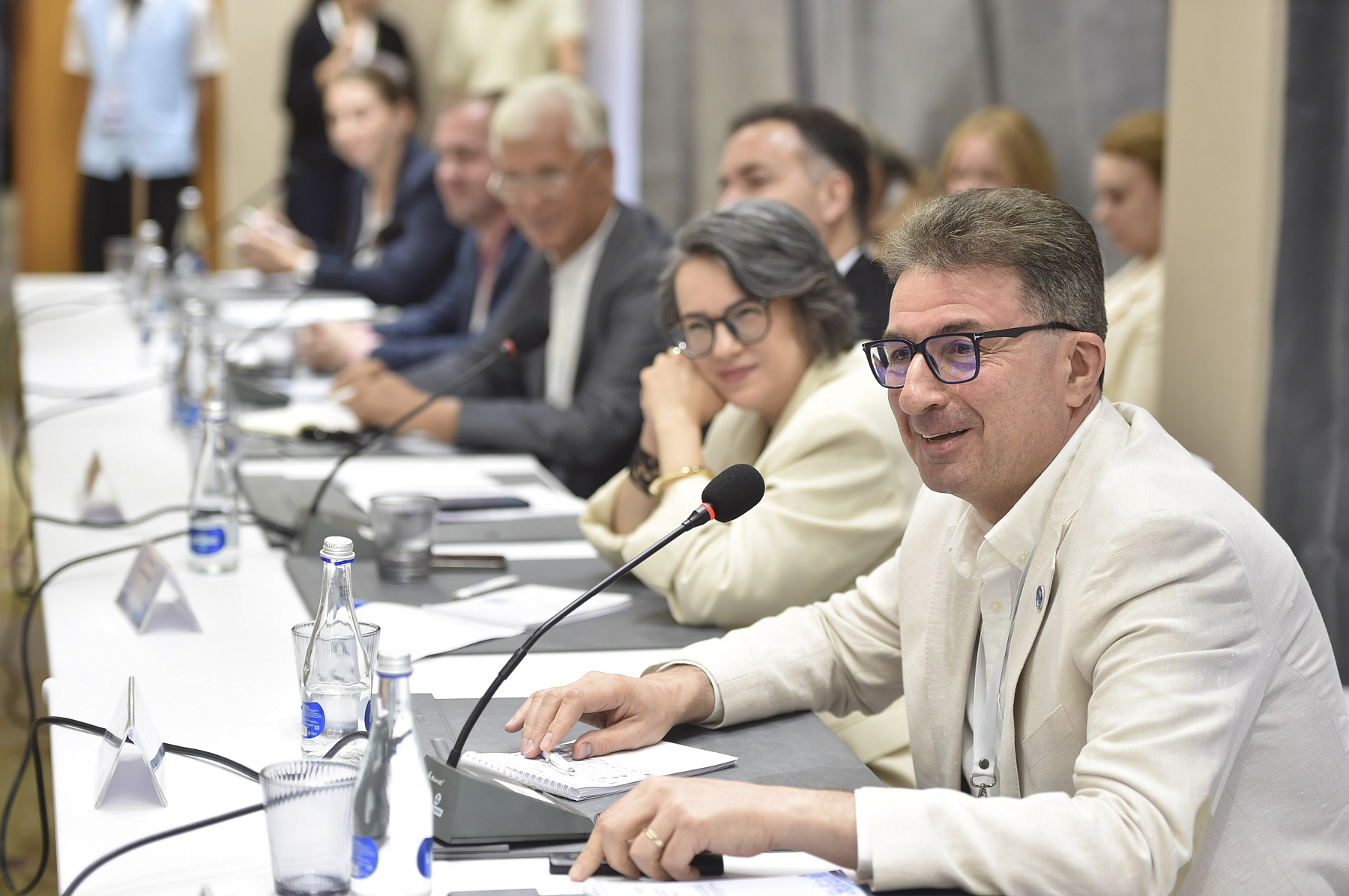
As part of the XII Russian‑Kyrgyz Interregional Conference, held on the sidelines of the Eurasian Intergovernmental Council meeting, a session titled «Partnership in Education: Exchange of Experience and Best Practices» took place. It was organized by the Russian Foreign Trade Academy (RFTA) of the Ministry of Economic Development of Russia.
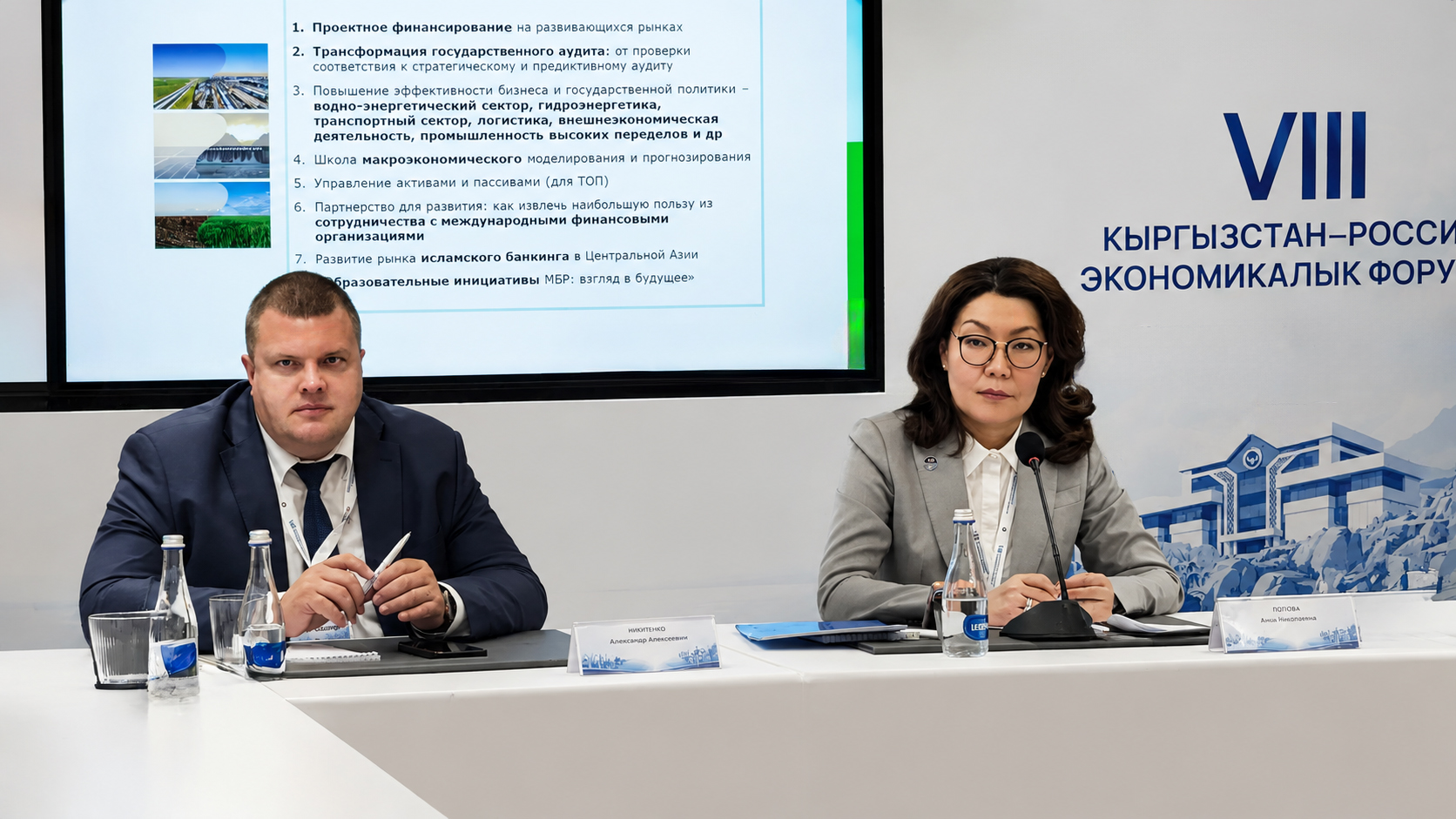
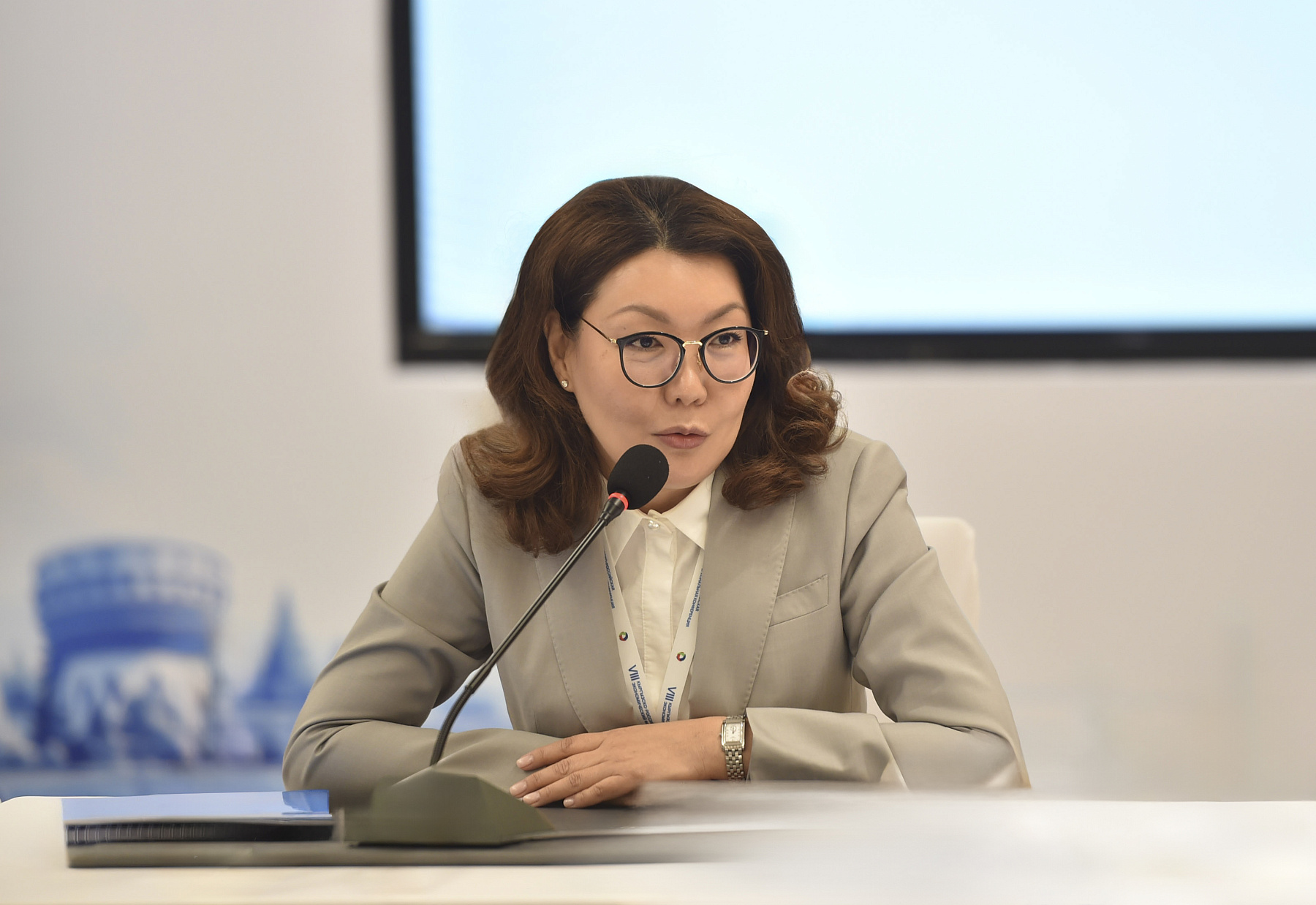
The discussion was moderated by Anna Popova, Vice‑Rector for International and Interregional Affairs at the RFTA of the Ministry of Economic Development of Russia.
«Russian‑Kyrgyz cooperation in education is becoming one of the key factors in developing humanitarian ties, training managerial personnel, and ensuring economic integration in the Eurasian space», – Anna Popova noted as she opened the session.
Participants discussed contemporary models of interaction between universities, government, and business; academic mobility; joint educational programs; training of specialists for foreign economic activity and the digital economy; and the role of development institutions in supporting educational initiatives.
In the current context, education addresses not only social objectives – it is becoming a crucial element of economic integration between states. Joint training of specialists contributes to the formation of a unified professional space, strengthens business ties between countries, and creates a human resource foundation for the implementation of joint investment, trade, and infrastructure projects.
For the member states of the Eurasian Economic Union, the development of educational cooperation is of particular importance. Standardizing approaches to personnel training, exchanging best practices, and implementing joint programs make it possible to respond more quickly to changes in the global economy and business demands.
Session participants noted that cooperation between Russian and Kyrgyz universities today extends far beyond classical academic exchange. The focus is increasingly shifting toward creating joint educational products geared to the real needs of the economy. Particular attention is being paid to training specialists in foreign economic activity, international logistics, the digital economy, export activities, international law, and international project management.
For more than 95 years, the RFTA of the Ministry of Economic Development of the Russian Federation has been one of the leading centres for training specialists in international trade, foreign economic activity, international law, and the global economy. The Academy develops modern educational programs that take into account changes in the global economy, the digitalization of international trade, the development of new logistics routes, and the reorientation of Russia’s foreign economic ties toward the countries of Eurasia, Asia, the Middle East, and Africa.
The RFTA is actively developing international educational initiatives. Among the promising areas are the development of joint continuing professional education programs and the organization of internships and academic mobility programs.
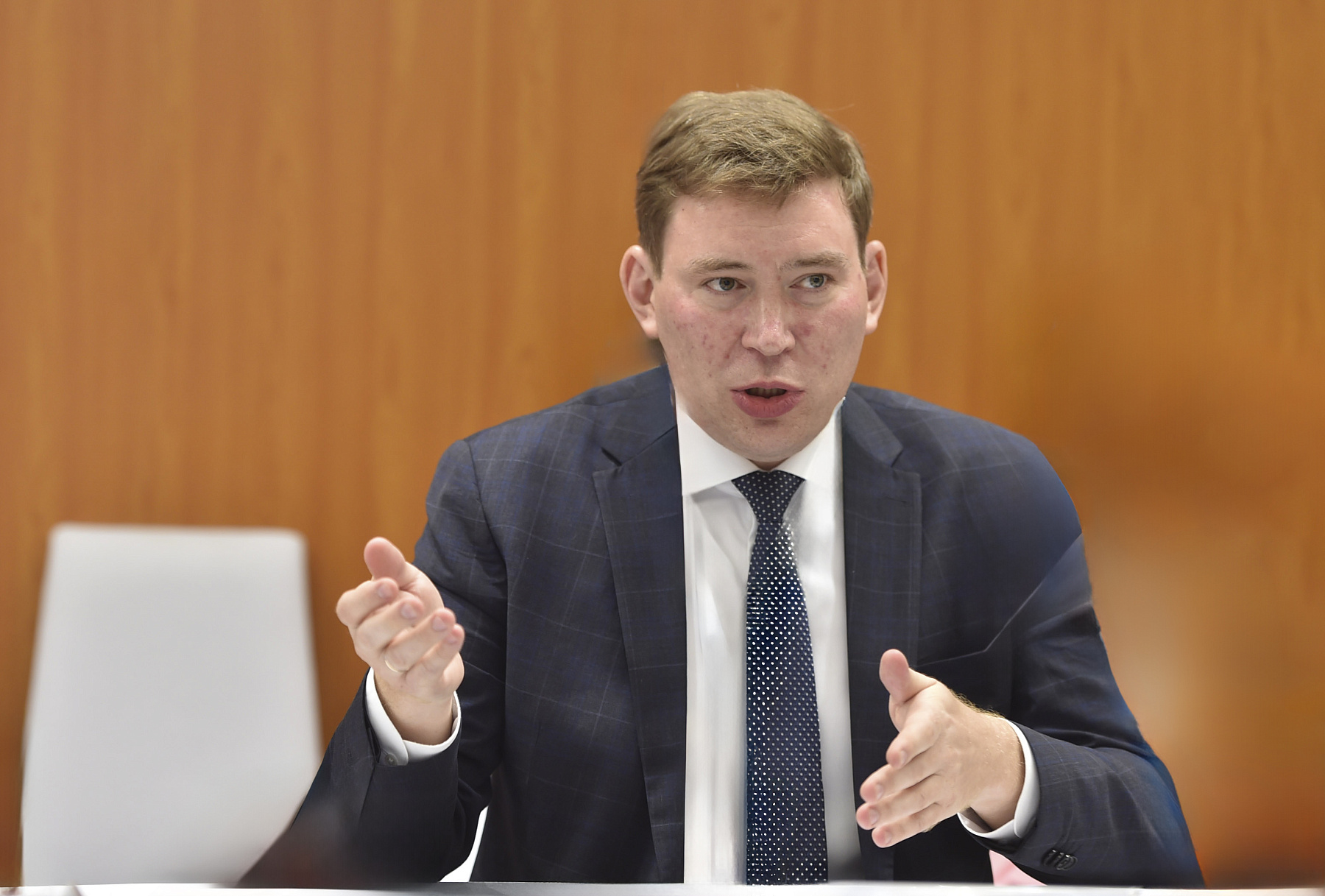
«We view cooperation with the Kyrgyz Republic as a long‑term strategic partnership based on shared economic interests and the joint training of specialists in demand for the integration processes of the Eurasian space. I am confident that joint educational projects will become the foundation on which the future economic cooperation of our two countries will be built», – emphasized Alexander Nikitenko, Vice‑Rector for Continuing Professional Education at the RFTA of the Ministry of Economic Development of Russia, in his address.
The session also featured presentations by:
– Albert Zulkharneev, Head of the Rossotrudnichestvo Representative Office in the Kyrgyz Republic;
– Sergey Bocharov, Rector of Altai State University;
– Alexey Sitnikov, Vice President for Strategic Partnerships at the Skolkovo Institute of Science and Technology;
– Sergey Volkov, Rector of the Kyrgyz‑Russian Slavic University named after B. N. Yeltsin;
– Zhanna Tulegenova, Head of Direction at the Academy of the Eurasian Development Bank (EDB);
– Vladimir Balobaev, political scientist;
– Evgeny Etin, Director of the Innovation and Ecosystem Development Department at RWB (Wildberries & Russ).
Following the discussion, the parties developed recommendations for the further development of Russian‑Kyrgyz cooperation in education. Key recommendations include expanding the network of joint educational programs, developing academic exchanges, and more actively involving business in the process of personnel training. According to experts, particular attention should be paid to creating joint professional development courses for civil servants and specialists in foreign economic activity in order to make the educational partnership a long‑term mechanism for human capital development.
The discussion was moderated by Anna Popova, Vice‑Rector for International and Interregional Affairs at the RFTA of the Ministry of Economic Development of Russia.
«Russian‑Kyrgyz cooperation in education is becoming one of the key factors in developing humanitarian ties, training managerial personnel, and ensuring economic integration in the Eurasian space», – Anna Popova noted as she opened the session.
Participants discussed contemporary models of interaction between universities, government, and business; academic mobility; joint educational programs; training of specialists for foreign economic activity and the digital economy; and the role of development institutions in supporting educational initiatives.
In the current context, education addresses not only social objectives – it is becoming a crucial element of economic integration between states. Joint training of specialists contributes to the formation of a unified professional space, strengthens business ties between countries, and creates a human resource foundation for the implementation of joint investment, trade, and infrastructure projects.
For the member states of the Eurasian Economic Union, the development of educational cooperation is of particular importance. Standardizing approaches to personnel training, exchanging best practices, and implementing joint programs make it possible to respond more quickly to changes in the global economy and business demands.
Session participants noted that cooperation between Russian and Kyrgyz universities today extends far beyond classical academic exchange. The focus is increasingly shifting toward creating joint educational products geared to the real needs of the economy. Particular attention is being paid to training specialists in foreign economic activity, international logistics, the digital economy, export activities, international law, and international project management.
For more than 95 years, the RFTA of the Ministry of Economic Development of the Russian Federation has been one of the leading centres for training specialists in international trade, foreign economic activity, international law, and the global economy. The Academy develops modern educational programs that take into account changes in the global economy, the digitalization of international trade, the development of new logistics routes, and the reorientation of Russia’s foreign economic ties toward the countries of Eurasia, Asia, the Middle East, and Africa.
The RFTA is actively developing international educational initiatives. Among the promising areas are the development of joint continuing professional education programs and the organization of internships and academic mobility programs.
«We view cooperation with the Kyrgyz Republic as a long‑term strategic partnership based on shared economic interests and the joint training of specialists in demand for the integration processes of the Eurasian space. I am confident that joint educational projects will become the foundation on which the future economic cooperation of our two countries will be built», – emphasized Alexander Nikitenko, Vice‑Rector for Continuing Professional Education at the RFTA of the Ministry of Economic Development of Russia, in his address.
The session also featured presentations by:
– Albert Zulkharneev, Head of the Rossotrudnichestvo Representative Office in the Kyrgyz Republic;
– Sergey Bocharov, Rector of Altai State University;
– Alexey Sitnikov, Vice President for Strategic Partnerships at the Skolkovo Institute of Science and Technology;
– Sergey Volkov, Rector of the Kyrgyz‑Russian Slavic University named after B. N. Yeltsin;
– Zhanna Tulegenova, Head of Direction at the Academy of the Eurasian Development Bank (EDB);
– Vladimir Balobaev, political scientist;
– Evgeny Etin, Director of the Innovation and Ecosystem Development Department at RWB (Wildberries & Russ).
Following the discussion, the parties developed recommendations for the further development of Russian‑Kyrgyz cooperation in education. Key recommendations include expanding the network of joint educational programs, developing academic exchanges, and more actively involving business in the process of personnel training. According to experts, particular attention should be paid to creating joint professional development courses for civil servants and specialists in foreign economic activity in order to make the educational partnership a long‑term mechanism for human capital development.